There's real beauty in a mess
Reading time:
5 minutes
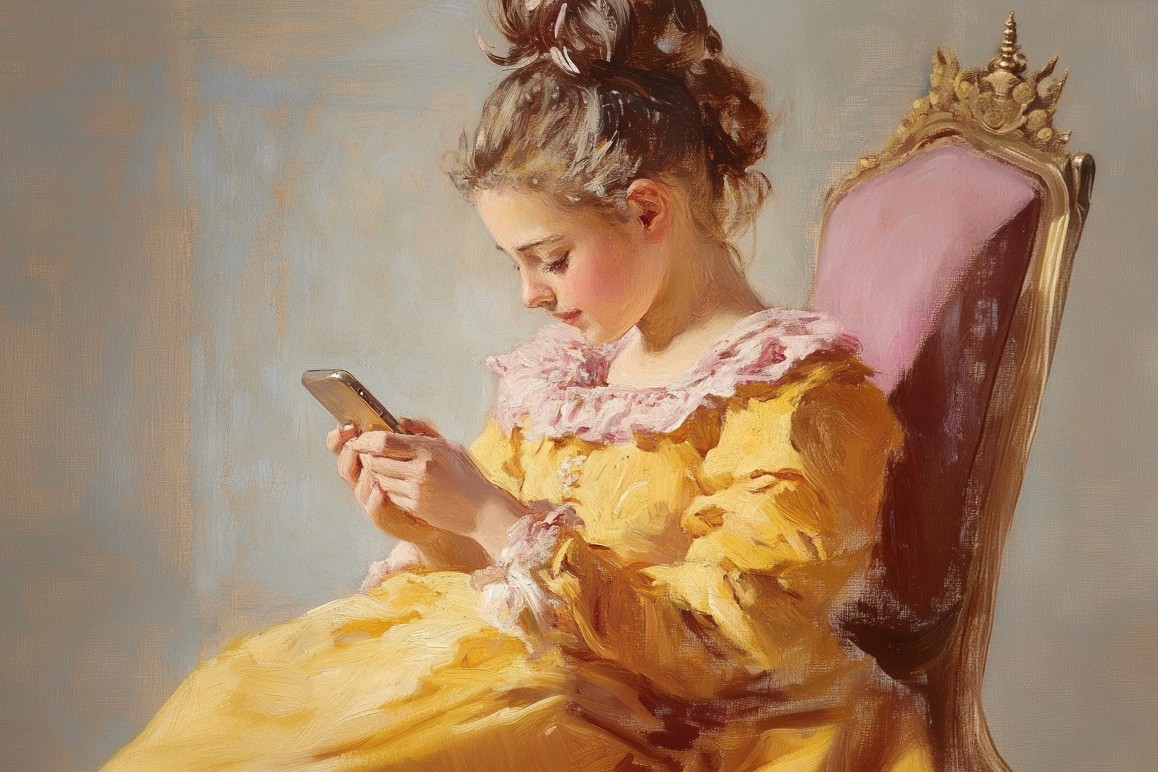
I've been thinking about what makes something feel real.
As in alive-real. As in human-real. As in the kind of thing that makes you lean in instead of scroll past-real.
I believe there's a short answer to this: mess.
I've been thinking about what makes something feel real.
As in alive-real. As in human-real. As in the kind of thing that makes you lean in instead of scroll past-real.
I believe there's a short answer to this: mess.
If you've ever watched a painter work, you know what I mean. It starts with sketches that barely make sense. Layers of paint that get covered up completely. Colors that clash before they resolve. Strokes that feel wrong until three more strokes later when suddenly, they feel exactly right. The final piece might look effortless, but underneath it there are dozens of decisions that didn't work, covered by dozens more that almost did, held together by a few that finally landed.
That's not a flaw in the process. That's the process.
The same is true for photography. For illustration. For web design. For writing. For building a company. For figuring out who you are at thirty-something when you thought you'd have it sorted by now.
The things that carry real weight in this world are almost never clean on the inside.
I've been thinking about this a lot in the context of AI. But let me be clear upfront: I'm not the anti AI guy. I use it. I'm fascinated by it. But something keeps nagging at me.
A few weeks ago I watched a demo of the new voice system in one of these AI platforms. It was impressive. The responses were thoughtful. The tone was warm. The pacing felt natural. On paper, it should have passed every test.
But it didn't convince me.
And it took me a while to figure out why. It was too clean. The audio was too clean. Perfectly clean. Studio-grade, zero-artifact, not-a-single-background-noise clean.
Think of the last time you got in contact with a call center. A chair is creaking. You hear someone talking to another line just one desk away. A slight muffle when they shift the phone from one ear to the other. Maybe a dog barking. A siren passing. Someone driving their car.
We don't notice these things consciously. But our brains do. Our brains are constantly scanning for proof that the world on the other end of the line is real, inhabited, messy, alive. And when that proof is missing, something feels off. We can't always name it, but we feel it.
The irony is almost too perfect. We've built systems that are extraordinarily intelligent, capable of things that would have seemed like science fiction ten years ago. And the thing that gives them away isn't a lack of intelligence. It's a lack of mess.
Too polished. Too smooth. Too clean.
Think about stock photography. You could always tell a stock photo because everyone in it was a little too happy, the lighting was a little too even, and the scene was a little too perfect. Real life doesn't look like that. Real life has weird shadows and someone blinking at the wrong moment and a coffee stain on the table that nobody moved.
The mess is the signature of life.
I think this is also why handmade things are about to become more valuable than ever. Not less.
Right now we're heading into a world where an artificial intelligent system can produce almost anything. A song in the style of your favorite artist. A painting that looks like it belongs in a gallery. A logo, a poem, a portrait. All of it for almost nothing. And because it's so cheap and so fast, everyone will use it. The market will flood with AI-produced everything.
Imagine it's Christmas and you want to give your mom that family portrait she's been talking about for years. You could snap a photo of your brother and sister, drop it into some AI system, and in thirty seconds you'd have a beautiful oil painting in the style of Van Gogh. It might even look stunning on the wall.
But it won't mean the same thing. And everyone in the room will know it.
Now imagine someone spent sixty hours painting that same portrait by hand. Mixing colors that didn't quite work at first. Starting over on your brother's face because the expression wasn't right. Getting paint under their fingernails and on their kitchen table. Choosing to keep going when it would have been so much easier to just press a button.
That painting carries something the AI version never will. Because the hours are in it. The struggle is in it. The choice to do it the hard way, for no logical reason other than love, is in it.
That's where value lives. Not in the output. In what it cost someone to make it.
And I think we're going to see this everywhere. The more AI produces, the more rare and precious the handmade becomes. The imperfect ceramic bowl. The hand-lettered sign. The song someone actually played, badly, on a guitar in their bedroom.
The mess will become the luxury.
For us to truly accept something as real, it needs to show us its rough edges. We don't trust perfection. We never have. We trust the painter whose hands are covered in paint. We trust the musician who misses a note and laughs about it. We trust the friend who says "I don't know" instead of pretending they have the answer.
Perfection is a performance. Mess is proof of presence.
I think about my own work this way too. The projects I'm most proud of are never the ones that went smoothly. They're the ones that almost fell apart three times. The ones where I had to throw out the first version, and the second version, and start over with shaking hands and the quiet fear that maybe this time it wouldn't come together.
But it did. And the reason it carries weight is because all of that struggle is baked into the final thing. You can't always see it, but you can feel it.
That's the beauty I'm talking about. The beauty of something that survived its own becoming.
I don't know exactly where we're headed with all of this technology. But I have a feeling that the things that will truly resonate, the tools, the art, the systems, the conversations, will be the ones brave enough to be a little bit broken.
Because that's what we are. And we can always recognize our own.
If you've ever watched a painter work, you know what I mean. It starts with sketches that barely make sense. Layers of paint that get covered up completely. Colors that clash before they resolve. Strokes that feel wrong until three more strokes later when suddenly, they feel exactly right. The final piece might look effortless, but underneath it there are dozens of decisions that didn't work, covered by dozens more that almost did, held together by a few that finally landed.
That's not a flaw in the process. That's the process.
The same is true for photography. For illustration. For web design. For writing. For building a company. For figuring out who you are at thirty-something when you thought you'd have it sorted by now.
The things that carry real weight in this world are almost never clean on the inside.
I've been thinking about this a lot in the context of AI. But let me be clear upfront: I'm not the anti AI guy. I use it. I'm fascinated by it. But something keeps nagging at me.
A few weeks ago I watched a demo of the new voice system in one of these AI platforms. It was impressive. The responses were thoughtful. The tone was warm. The pacing felt natural. On paper, it should have passed every test.
But it didn't convince me.
And it took me a while to figure out why. It was too clean. The audio was too clean. Perfectly clean. Studio-grade, zero-artifact, not-a-single-background-noise clean.
Think of the last time you got in contact with a call center. A chair is creaking. You hear someone talking to another line just one desk away. A slight muffle when they shift the phone from one ear to the other. Maybe a dog barking. A siren passing. Someone driving their car.
We don't notice these things consciously. But our brains do. Our brains are constantly scanning for proof that the world on the other end of the line is real, inhabited, messy, alive. And when that proof is missing, something feels off. We can't always name it, but we feel it.
The irony is almost too perfect. We've built systems that are extraordinarily intelligent, capable of things that would have seemed like science fiction ten years ago. And the thing that gives them away isn't a lack of intelligence. It's a lack of mess.
Too polished. Too smooth. Too clean.
Think about stock photography. You could always tell a stock photo because everyone in it was a little too happy, the lighting was a little too even, and the scene was a little too perfect. Real life doesn't look like that. Real life has weird shadows and someone blinking at the wrong moment and a coffee stain on the table that nobody moved.
The mess is the signature of life.
I think this is also why handmade things are about to become more valuable than ever. Not less.
Right now we're heading into a world where an artificial intelligent system can produce almost anything. A song in the style of your favorite artist. A painting that looks like it belongs in a gallery. A logo, a poem, a portrait. All of it for almost nothing. And because it's so cheap and so fast, everyone will use it. The market will flood with AI-produced everything.
Imagine it's Christmas and you want to give your mom that family portrait she's been talking about for years. You could snap a photo of your brother and sister, drop it into some AI system, and in thirty seconds you'd have a beautiful oil painting in the style of Van Gogh. It might even look stunning on the wall.
But it won't mean the same thing. And everyone in the room will know it.
Now imagine someone spent sixty hours painting that same portrait by hand. Mixing colors that didn't quite work at first. Starting over on your brother's face because the expression wasn't right. Getting paint under their fingernails and on their kitchen table. Choosing to keep going when it would have been so much easier to just press a button.
That painting carries something the AI version never will. Because the hours are in it. The struggle is in it. The choice to do it the hard way, for no logical reason other than love, is in it.
That's where value lives. Not in the output. In what it cost someone to make it.
And I think we're going to see this everywhere. The more AI produces, the more rare and precious the handmade becomes. The imperfect ceramic bowl. The hand-lettered sign. The song someone actually played, badly, on a guitar in their bedroom.
The mess will become the luxury.
For us to truly accept something as real, it needs to show us its rough edges. We don't trust perfection. We never have. We trust the painter whose hands are covered in paint. We trust the musician who misses a note and laughs about it. We trust the friend who says "I don't know" instead of pretending they have the answer.
Perfection is a performance. Mess is proof of presence.
I think about my own work this way too. The projects I'm most proud of are never the ones that went smoothly. They're the ones that almost fell apart three times. The ones where I had to throw out the first version, and the second version, and start over with shaking hands and the quiet fear that maybe this time it wouldn't come together.
But it did. And the reason it carries weight is because all of that struggle is baked into the final thing. You can't always see it, but you can feel it.
That's the beauty I'm talking about. The beauty of something that survived its own becoming.
I don't know exactly where we're headed with all of this technology. But I have a feeling that the things that will truly resonate, the tools, the art, the systems, the conversations, will be the ones brave enough to be a little bit broken.
Because that's what we are. And we can always recognize our own.
I'm just getting started
and I'd love for you to join me along the ride. And if video's more your thing, I might be taking this to YouTube as well.